Conflict Resolution and Peacebuilding Leadership
Posted by Main Admin on October 29, 2025
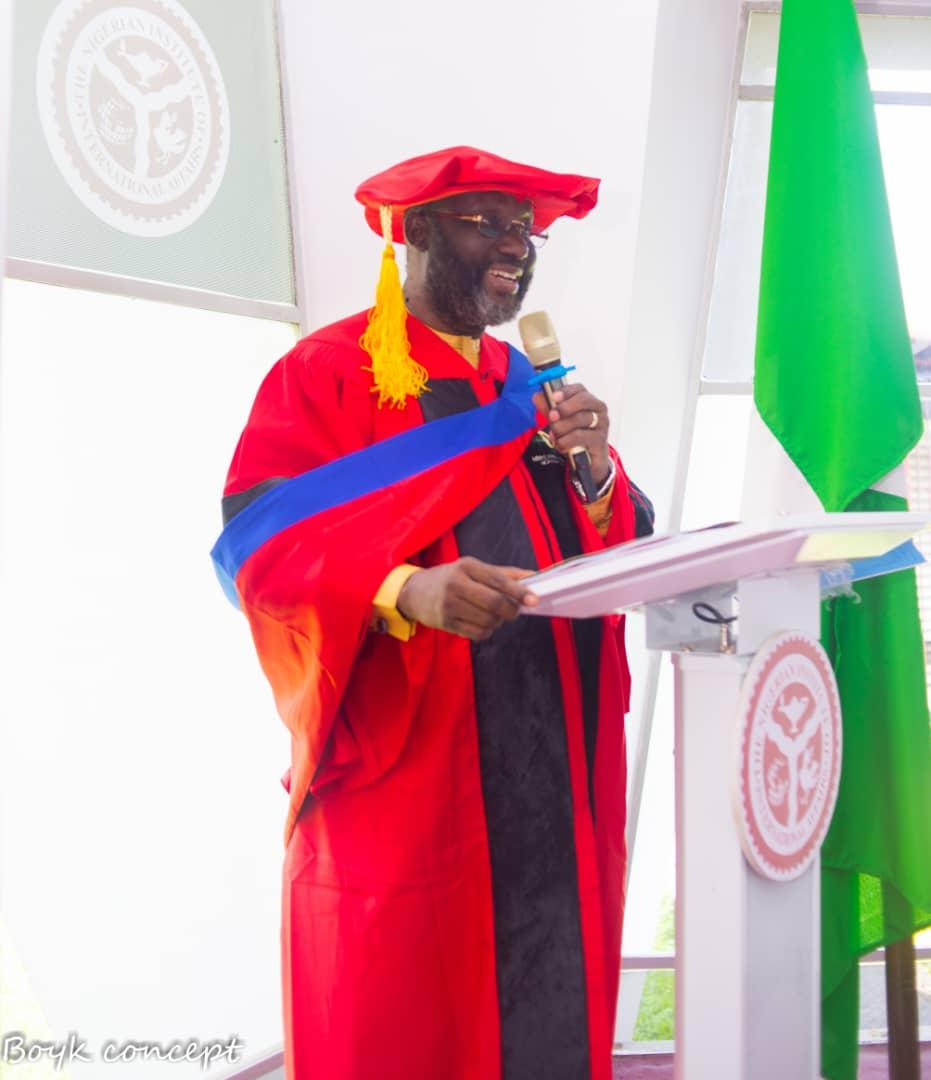
Leadership in Africa today cannot be complete without addressing the issue of conflict and the urgent need for peacebuilding. Conflict is part of human society; it can happen between two friends, within a family, inside a community, in politics, in business, or even between nations. But what makes a leader stand out is not whether conflicts happen, but how they manage and resolve those conflicts. A true leader does not add fuel to the fire. Instead, he or she takes deliberate steps to cool the situation and bring people together for progress.
Conflict in Nigeria, for example, can arise from ethnic differences, religion, politics, access to land, or even leadership struggles within associations. We have seen communities divided because of disputes over land boundaries. We have seen clashes between farmers and herders, or between political supporters of different parties. If leaders are not proactive in handling these issues, they can escalate into violence, loss of lives, and destruction of property. That is why conflict resolution is not just a theory but a skill every leader must master.
A peacebuilding leader understands that conflict is not always bad. Sometimes, it exposes hidden problems that need to be addressed. For instance, if a local youth group protests because they feel excluded from job opportunities in their own community, that is a conflict. But it is also a chance for leadership to listen, to engage, and to provide fair opportunities. Instead of silencing the youths, a peacebuilding leader calls them to the table, hears their grievances, and works out practical solutions.
Another important point is that leaders must be neutral during conflicts. When a leader takes sides, they lose the respect and trust of those they are supposed to guide. Neutrality does not mean ignoring the problem. It means being fair and just in dealing with the parties involved. For example, if two traditional families are fighting over a chieftaincy title, a peacebuilding leader listens to both sides equally, avoids bias, and focuses on the bigger picture—peace and unity in the community.
One tool of conflict resolution is dialogue. Leaders must create safe spaces where opposing sides can talk. Dialogue does not mean shouting or exchanging insults; it means carefully listening, understanding perspectives, and seeking common ground. In the Niger Delta, for example, dialogue between government, oil companies, and community leaders has helped reduce tensions that previously led to militancy. Without dialogue, misunderstanding deepens, and peace becomes impossible.
Another tool is mediation. Sometimes, the conflicting parties cannot resolve their differences on their own, and they need a third party. A leader can step in as a mediator, or invite respected elders, religious leaders, or professionals who are trusted by both sides. Mediation helps to calm emotions and point towards a compromise that benefits everyone.
Beyond resolving conflicts, leaders must build peace for the long term. Peacebuilding means creating systems that prevent future conflicts. If we settle a land dispute today but do not set clear land boundaries for tomorrow, the conflict may rise again. If we resolve election violence without reforming the electoral process, the same violence will return in the next election. Therefore, peacebuilding leadership looks at the roots of problems and creates structures that prevent them from reoccurring.
In African societies, culture and tradition can also be used as tools for peacebuilding. In many communities, elders gather at the village square to settle disputes, using wisdom passed down from generations. In northern Nigeria, leaders sometimes use traditional “palace courts” to resolve family or land issues before they turn violent. These methods are not outdated; they are valuable assets that can be combined with modern approaches to ensure sustainable peace.
A peacebuilding leader must also use empathy putting themselves in the shoes of others. If a leader cannot feel the pain of displaced families or jobless youths, they will not make decisions that bring healing. Empathy builds trust, and trust is the foundation of peace. Without trust, people will see leadership as distant, oppressive, or selfish.
In conclusion, conflict resolution and peacebuilding leadership are about patience, fairness, dialogue, and long term solutions. Leaders in Nigeria and across Africa must understand that true power is not in how much force they can command, but in how much peace they can sustain. Our communities, our politics, our institutions, and even our families need leaders who can calm storms, mend broken relationships, and build bridges of understanding. That is the kind of leadership that transforms societies, creates unity, and prepares the ground for development.
0 Comments
Please log in to post a comment.