Political Leadership and Democratic Governance in Nigeria.
Posted by Main Admin on October 26, 2025
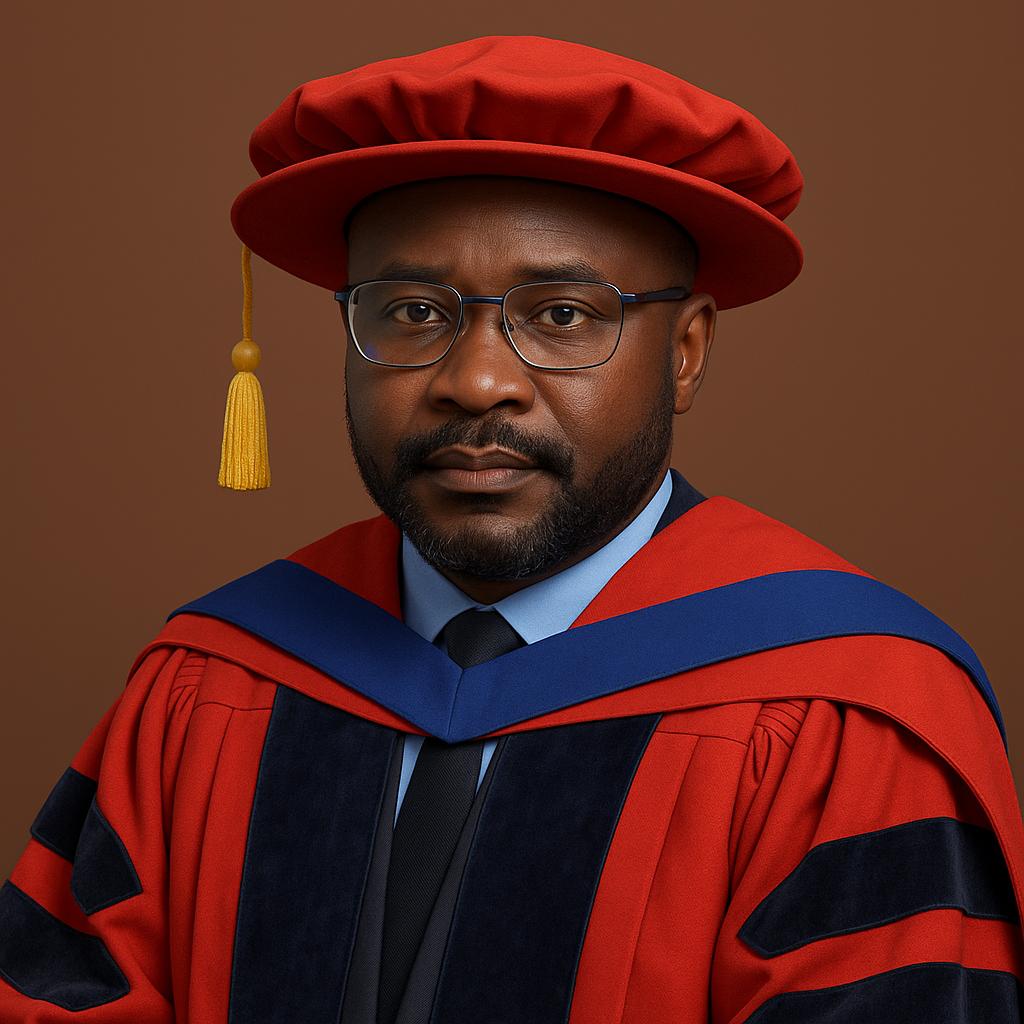
Political leadership is the engine that drives governance in any nation. In Nigeria, political leadership determines how resources are managed, how citizens are treated, and how national goals are achieved. Democratic governance, on the other hand, is the system that ensures power belongs to the people and that leaders are accountable to those who elected them. When political leadership and democratic governance work together, nations prosper; when they clash, instability follows.
Since Nigeria’s return to democracy in 1999, the country has made progress in building democratic institutions and conducting periodic elections. However, the quality of political leadership has often raised questions. Elections are held regularly, but leadership outcomes have not always reflected the true aspirations of the people. Many Nigerians still see governance as a privilege of the few rather than a service to all.
True political leadership in a democracy is about service, not self interest. It requires integrity, vision, and the will to put the people above personal or party gains. Unfortunately, the Nigerian political space has often been dominated by leaders driven by personal enrichment and power retention. This attitude weakens democratic governance and undermines public trust in government institutions.
Democratic governance thrives when leaders respect the rule of law, uphold transparency, and promote accountability. In Nigeria, weak institutions and corruption have often allowed leaders to act with impunity. Agencies meant to enforce accountability are sometimes compromised by political influence. For democracy to truly work, leadership must be guided by justice, fairness, and respect for constitutional order.
One of the biggest challenges facing political leadership in Nigeria is the lack of ideological depth. Many politicians switch parties not because of principles, but because of personal ambition. Without clear vision and ideology, leadership becomes transactional focused on winning elections rather than delivering governance. This weakens policy continuity and national development.
Democratic governance is also about citizen participation. A vibrant democracy depends on active citizens who hold their leaders accountable. In Nigeria, voter apathy is growing because many citizens believe their votes do not count. For democratic governance to thrive, political leaders must restore faith in the electoral process and ensure that every vote matters.
Another critical issue is youth involvement. Nigeria is a young nation, with over 60% of its population under 35. Yet, the political system still sidelines young people through high nomination fees, godfather politics, and lack of mentorship. True democratic governance must empower youth to participate meaningfully in leadership and decision making processes.
Women’s representation in political leadership is also a major concern. Despite being half of the population, women hold less than 10% of elective positions in Nigeria. Cultural and financial barriers continue to limit women’s political participation. Inclusive governance cannot exist without gender balance in leadership.
Strong democratic governance requires strong institutions. When the judiciary, legislature, and civil service operate independently and effectively, democracy grows. But when these institutions are weakened by political interference, leadership becomes dictatorial. Nigeria must strengthen its institutions so that they can check abuse of power and promote good governance.
Political education is another key factor. Many Nigerians vote based on ethnicity, religion, or short term rewards, rather than competence and vision. Political leaders must invest in civic education to help citizens understand their rights, demand accountability, and make informed electoral choices. Educated citizens make democracy stronger.
Ethical leadership is the foundation of democratic governance. Political leaders must see themselves as servants of the people, not rulers. When leaders lead by example avoiding corruption, respecting human rights, and promoting justice they inspire citizens to trust and cooperate with government policies. Integrity in leadership builds stability and progress.
Democratic governance also requires collaboration. The executive, legislature, judiciary, media, and civil society must work together to promote transparency and deliver results. A healthy democracy is not built on conflict but on cooperation guided by law and respect for the people’s mandate.
Finally,political leadership and democratic governance in Nigeria are inseparable. For Nigeria to grow, its leaders must embrace democracy not just as a system of elections but as a culture of service, accountability, and inclusion. The future of Nigeria’s democracy lies in the emergence of visionary, ethical, and people centered leaders who will put the nation first and lead with integrity.
0 Comments
Please log in to post a comment.