The Power of Self Leadership
Posted by Main Admin on November 9, 2025
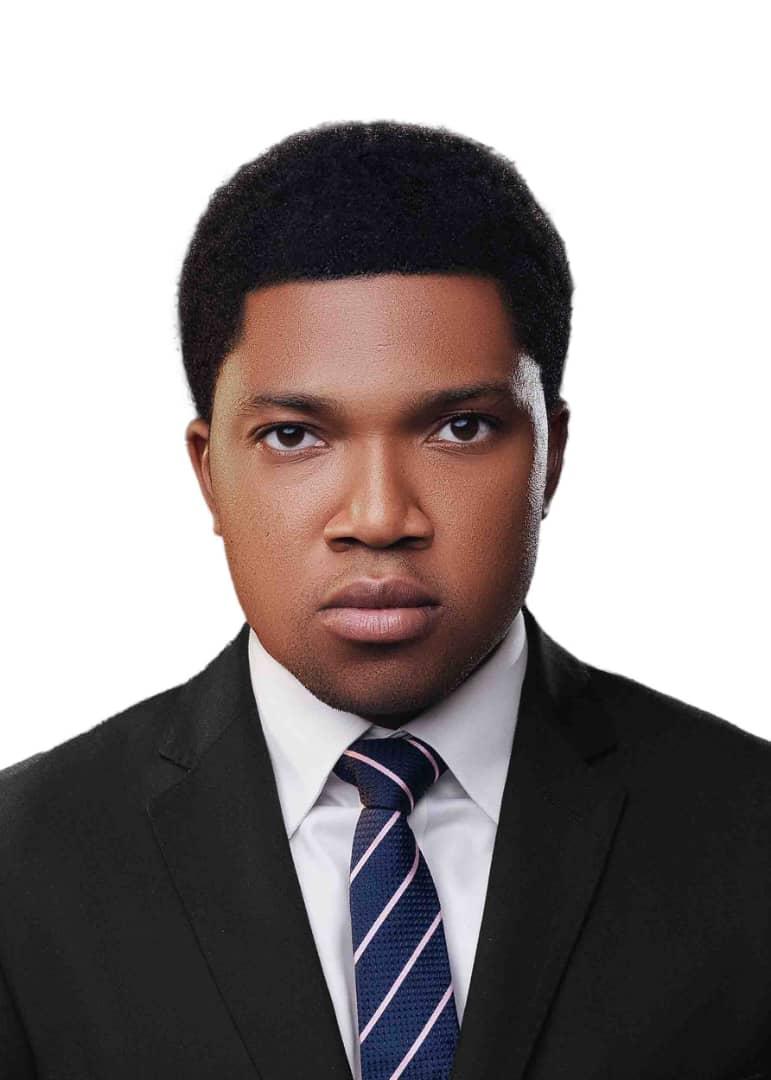
Self leadership is the foundation upon which all other forms of leadership are built. It is the ability to take control of one’s own thoughts, emotions, and actions in order to achieve personal and professional goals. A person who cannot lead themselves cannot effectively lead others. In Nigeria today, where leadership failures are often linked to lack of discipline, integrity, and accountability, self leadership has become a vital quality for anyone aspiring to influence change. Before commanding a team, an organization, or a community, a true leader must first learn to command their own mind, habits, and character.
Self leadership begins with self awareness understanding who you are, what you stand for, and what drives your decisions. It means being conscious of your strengths, weaknesses, values, and purpose in life. Many people try to lead others without knowing themselves, and that’s why they struggle with consistency and credibility. In the Nigerian context, a self aware leader knows their limitations and seeks personal growth instead of pretending to be perfect. They accept constructive criticism, reflect on their experiences, and continually work to become better versions of themselves.
Another key aspect of self leadership is self discipline. This is the ability to stay focused and committed to one’s goals despite distractions, temptations, or challenges. Nigeria’s environment often tests the discipline of leaders through pressure, corruption, and societal expectations. A self disciplined leader resists shortcuts and personal gain in favor of principles and long term impact. They keep promises, meet deadlines, and hold themselves accountable for results. Without discipline, leadership becomes impulsive and inconsistent.
Self motivation is also central to self leadership. True leaders do not wait for others to inspire them they are driven by internal passion and purpose. Self motivated leaders wake up each day with a vision and push forward even when no one is watching or applauding. For instance, many successful entrepreneurs and public servants in Nigeria began their journeys with limited resources but abundant determination. They refused to give up because their motivation came from within, not from external rewards.
Another dimension of self leadership is emotional control. Leading oneself requires managing emotions like anger, fear, pride, or frustration so they do not control one’s actions. Nigerian society can be stressful, from economic hardship to political instability. A self led individual remains calm and focused even when situations get tense. By staying emotionally balanced, such a leader earns respect and models stability for others.
Decision making is another test of self leadership. Every day, individuals face choices that shape their character and future. A self led person does not make decisions based on peer pressure or popularity but on values and wisdom. They think through consequences before acting. In Nigeria’s public and private sectors, where decisions often carry far reaching impact, the ability to lead oneself in thought and choice determines success or failure.
Self leadership also includes personal accountability taking responsibility for one’s actions and outcomes. Instead of blaming circumstances or others, a self led leader admits mistakes and learns from them. This trait builds credibility and trust. Nigerians often admire leaders who take ownership rather than making excuses. Accountability is not a sign of weakness; it is proof of integrity.
Furthermore, time management is a vital aspect of self leadership. Time is one of the most valuable resources for leaders. How a person manages time reflects their priorities and discipline. A self led leader sets clear goals, plans tasks effectively, and avoids procrastination. In Nigeria’s fast paced and competitive society, effective time management separates achievers from dreamers.
Self leadership also demands continuous learning. A true leader is a lifelong student always reading, researching, and learning from experience. In a world changing rapidly through technology and innovation, leaders who stop learning become outdated. Nigerian leaders who embrace learning through seminars, mentorship, and self development stay relevant and visionary. Knowledge strengthens confidence and decision making.
Another critical part of self leadership is integrity. It means doing what is right even when no one is watching. Integrity is the backbone of leadership credibility. In Nigeria, where corruption and dishonesty have weakened trust, a self led person with integrity shines as an example of what leadership should be. Such leaders inspire others through their actions, not just their words.
Self leadership also involves vision and purpose. It is about knowing where you are going and why. Without a clear purpose, it is easy to be distracted by public opinion or temporary success. Nigerian leaders who have achieved great impact whether in business, education, or governance were guided by a vision that extended beyond personal gain. Purpose gives direction to effort.
From these perspectives, it becomes clear that self leadership is not about position or authority; it is about attitude, discipline, and growth. Every Nigerian whether a student, worker, politician, or entrepreneur can exercise self leadership by setting goals, acting responsibly, and developing character. Leadership begins in the mirror; what we see there determines how we influence others.
Conclusively, the power of self leadership lies in the ability to lead oneself toward excellence before leading others toward success. It transforms individuals from followers of circumstance into architects of destiny. For Nigeria to experience true transformation, we need citizens and leaders who can first lead themselves with discipline, integrity, and purpose. Self leadership is not just a personal achievement; it is a national necessity for sustainable growth and development. When individuals learn to lead themselves, society naturally becomes stronger, more responsible, and more progressive.
0 Comments
Please log in to post a comment.