Women in Leadership: Breaking Barriers
Posted by Main Admin on October 26, 2025
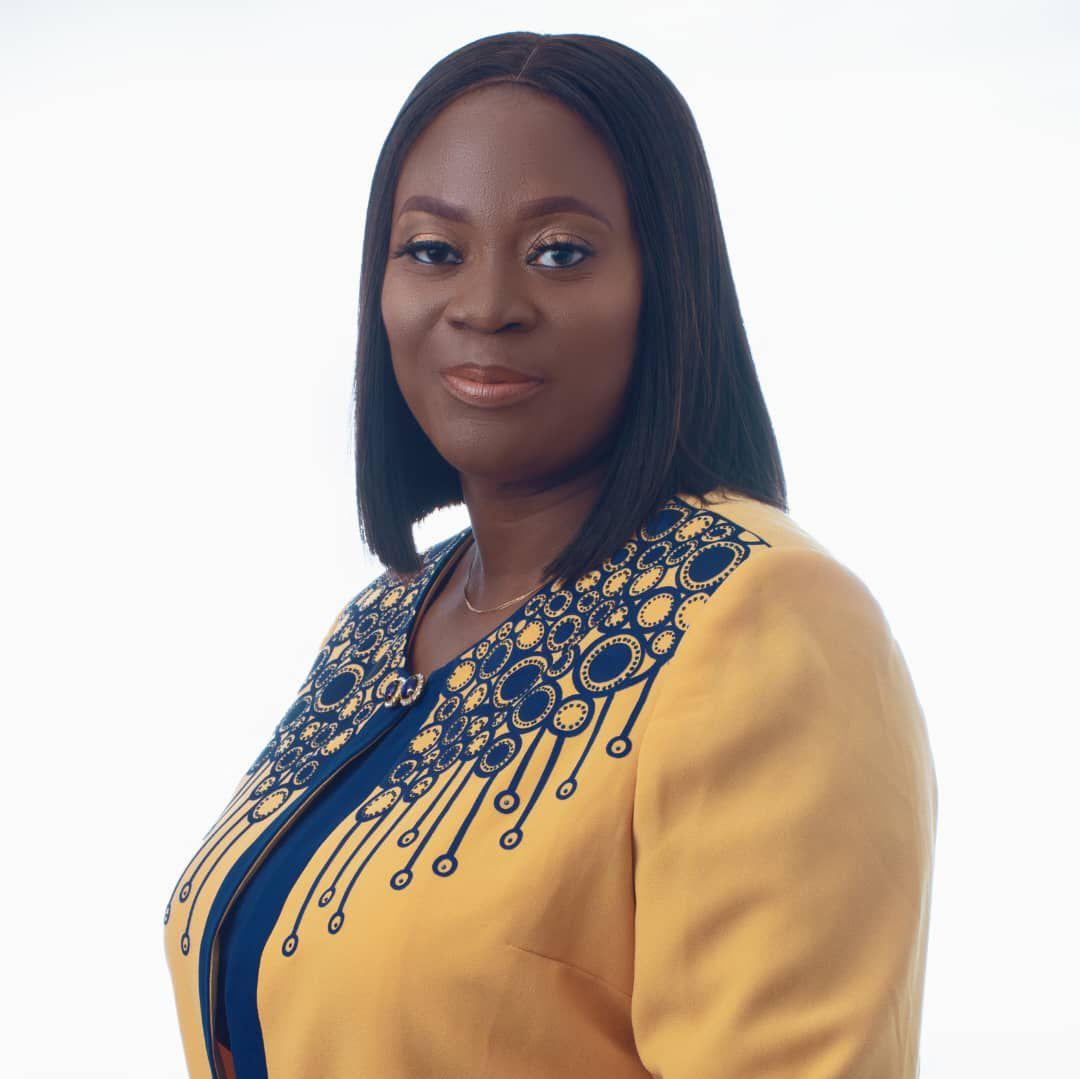
Leadership is not about gender; it is about vision, capacity, and the courage to make a difference. Yet, for many years, women in Nigeria and across Africa have faced cultural, social, and institutional barriers that limit their participation in leadership. The conversation about women in leadership is not just about fairness—it is about unlocking the full potential of our society.
In the Nigerian context, women have always played vital roles in family, community, and informal leadership settings. From the market women who organize cooperative societies to women leaders in religious groups and local associations, leadership has never been foreign to women. What has often been missing is recognition and inclusion at formal and political levels.
Historically, Nigeria has had strong female figures like Funmilayo Ransome Kuti, Queen Amina of Zazzau, Dora Akunyili, Ngozi Okonjo Iweala, and late Professor Dora Akunyili, who proved that leadership excellence has no gender. These women showed courage, integrity, and innovation in their various fields, challenging stereotypes and setting new standards for women’s involvement in leadership.
However, despite these examples, many barriers remain. Cultural beliefs in some communities still assume that men are natural leaders while women should only follow. Political systems also favor men through expensive nomination processes and male dominated party structures. In the corporate world, women often face discrimination in promotions or are expected to choose between career and family.
Breaking these barriers requires deliberate leadership action. Organizations and institutions must adopt gender inclusive policies such as equal opportunities in recruitment, mentorship programs for women, and flexible work systems that support family life. Leadership training institutes like ILAD have a major role to play in shaping new attitudes and empowering women to step into leadership confidently.
Education is another powerful tool. When girls are educated, they develop confidence, communication skills, and vision the foundation for leadership. Investing in girls’ education today is preparing tomorrow’s female governors, CEOs, and innovators. Nigeria cannot achieve full development while half of its population is left behind.
Economic empowerment also strengthens women’s leadership. When women have access to finance, business training, and digital tools, they become independent thinkers and decision makers. From local traders to female tech entrepreneurs, economic empowerment opens doors to influence and leadership participation.
It is also important to note that women leaders bring unique qualities to leadership. Studies and experience in Nigeria show that women leaders tend to be more transparent, compassionate, and community oriented. These are the same values Nigeria needs to rebuild trust in public institutions and promote inclusive governance.
In politics, the inclusion of women is not just about representation it’s about results. Countries with higher women participation in governance tend to have stronger social policies, better education outcomes, and reduced corruption. Nigeria’s democracy can only mature when both men and women share the responsibility of nation building.
To break barriers, women must also believe in themselves and support one another. Mentorship, collaboration, and networking among women professionals and politicians can create a solid support system. Men, too, must become allies by encouraging women’s voices in decision making spaces rather than competing against them.
Religious and traditional leaders have a special role in reshaping mindsets. They can use their influence to promote respect for women’s leadership and discourage cultural practices that keep women out of power. A progressive society is one that values competence over gender.
As Nigeria advances toward the goals of sustainable development and inclusive growth, empowering women in leadership becomes not just a social agenda but an economic and moral necessity. Women bring balance, empathy, and innovation that can transform communities and institutions.
The time has come for Nigeria to move from words to action. We must build a generation where girls grow up believing they can lead, and society supports them to do so. When women rise, nations rise. Breaking barriers for women in leadership is not just women’s business it is everyone’s business.
0 Comments
Please log in to post a comment.